


Whether you’re buying your first home, getting a property ready to list, or simply want a clear picture of the place you already live in, your inspection with Diligent Inspection Group starts the moment you make that first call. Philip Reams and our team walk you through the process from scheduling all the way through your final report, so nothing feels rushed or confusing.
We follow the Standards of Practice and Code of Ethics established by InterNACHI, one of the most respected organizations in the home inspection industry. During your inspection, we evaluate the home’s major systems, from the roof and foundation down to the electrical panel and plumbing fixtures, and flag anything that could affect the property’s safety or condition.
Once the walkthrough wraps up, we’ll go over what we found with you and your real estate agent in terms that actually make sense, no confusing jargon involved. You’ll then receive a full report with photos and plain-language notes on everything we covered, so you walk away with a real understanding of the home rather than just a stack of paperwork.
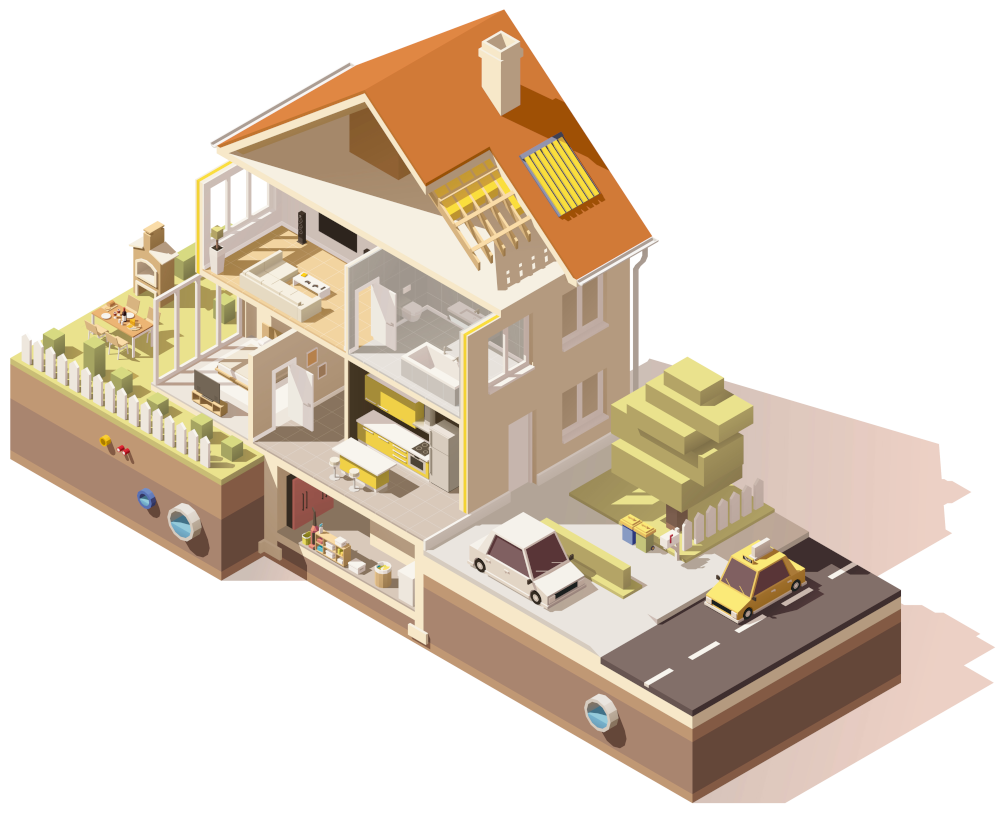
During a home inspection, we check the condition of the roof, foundation, plumbing, electrical systems, HVAC, insulation, windows, doors, and other major components of the property. Depending on the size of the home, the walkthrough usually takes somewhere between two and three hours, longer if we’re also handling a sewer scope, thermal imaging, or another add-on service.
Clear access to areas like the attic, crawlspace, electrical panel, and water heater closet, and make sure appliances are in working order so we can test them properly. If you won’t be there in person, let us know how we’ll get into the home and make sure any pets are secured somewhere else during the visit.
There’s no such thing as passing or failing here. A home inspection is simply a detailed look at the current condition of the property. We’ll note anything worth your attention on the report, but what you do with that information is entirely up to you.
Technically, you can move forward without one, but skipping a home inspection means you could end up owning a property with problems you had no idea existed until they become expensive to fix.
We can point you toward what needs attention and explain why it matters, but making repairs isn’t part of what a home inspector does. That keeps things fair. You get to choose your own contractor without any conflict of interest clouding the recommendation.
It can, in a couple of directions. If we uncover issues that need repair, that could bring the appraisal down until they’re addressed, or give the buyer room to negotiate. On the flip side, a clean report can support the value the seller is asking for. Either way, everyone involved ends up with better information to make decisions.
A home inspection gives buyers real leverage at the negotiating table. If we find issues during the walkthrough, you can ask the seller to make repairs, cover the cost, or adjust the price before you close. Sellers benefit too, since taking care of concerns ahead of time can help support the asking price.
Some issues, like faulty wiring, gas leaks, or structural damage, aren't just costly, they can be dangerous. A thorough home inspection flags safety concerns early, so everyone involved knows what needs attention before anyone moves in.
Nobody wants to move into a new home and immediately face an expensive repair bill. Catching problems during the inspection, rather than after closing, gives you the chance to plan and budget instead of scrambling.
Whether you're buying, selling, or simply maintaining the home you already own, having an accurate picture of the property's condition means you're making decisions based on facts instead of guesswork.
Your inspection report doesn't just point out problems, it also gives you a roadmap for upkeep going forward, helping you protect the property and get ahead of small issues before they become bigger ones.

Roof coverings, gutters, downspouts, vents, flashing, skylights, chimney, roof penetrations and the general structure of the roof.
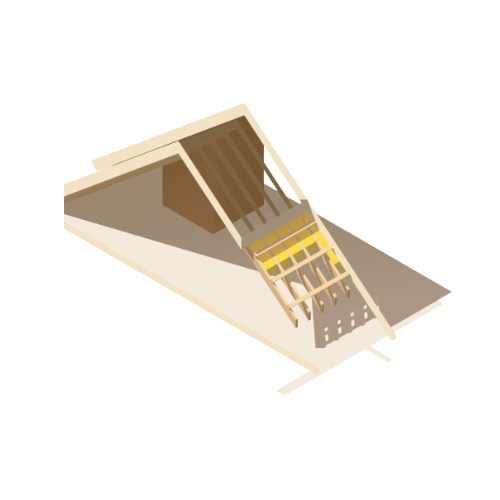
Insulation and ventilation of unfinished spaces, including attics, crawl spaces, foundation areas and exhaust systems.
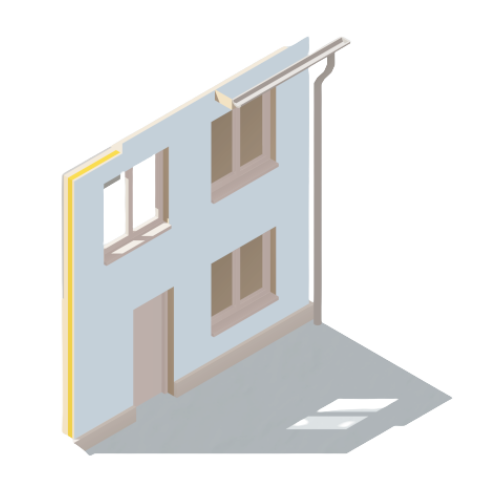
Siding, windows, exterior doors, flashing & trim, walkways, driveways, stairs, patios & decks, and drainage.
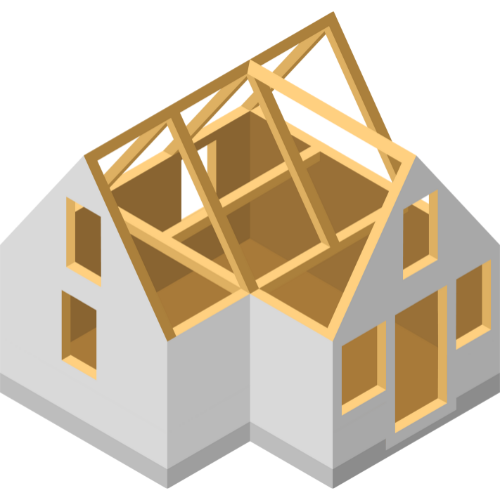
Foundation movement, cracks, structural concerns, and indication of water penetration.

Cooling system, location of thermostat, energy source and cooling method.
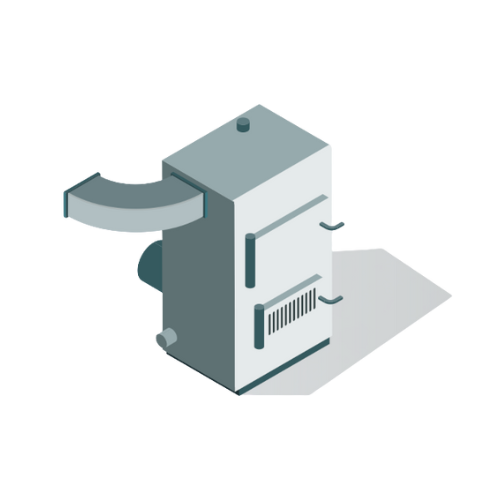
Heating system, location of thermostat, energy source and heating method.
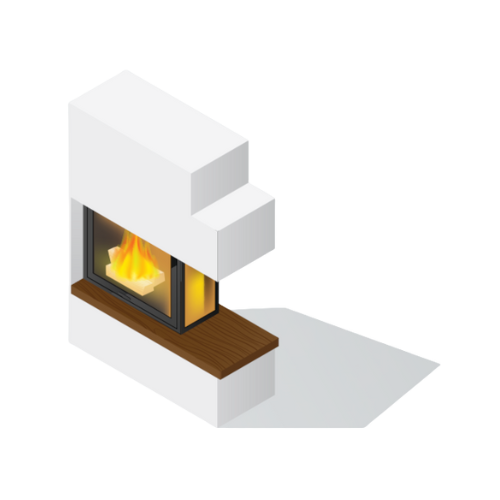
Visible portions of the fireplace & chimneys, lintels, damper doors, and cleanout doors & frames.
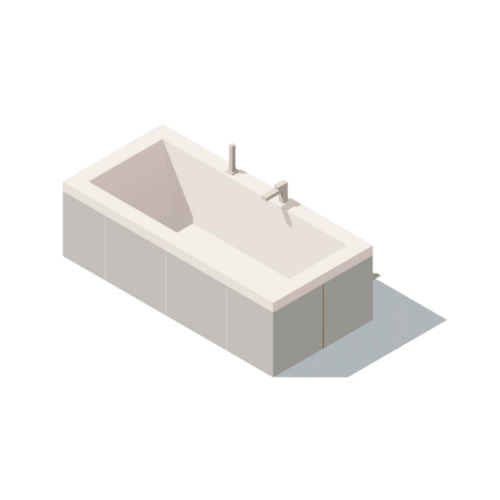
Main water & fuel supply shut-off valves, water heater, interior water supply, toilets, sinks, tubs, showers, drain, waste and vent systems.
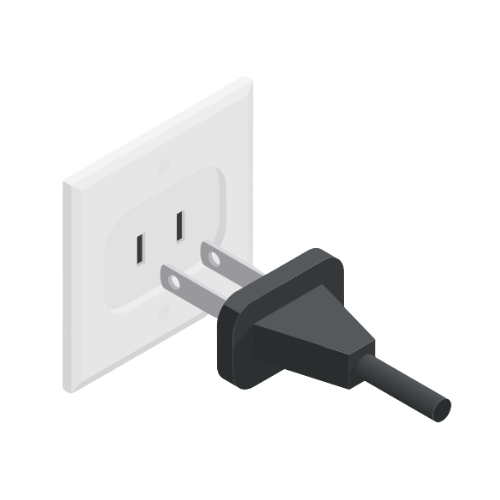
Service drop, overhead service conductors, service head & mast, main service disconnect, panelboards, grounding, switches, light fixtures, receptacles deemed to be AFCI & GFCI, and the presence of smoke alarms & carbon monoxide detectors.
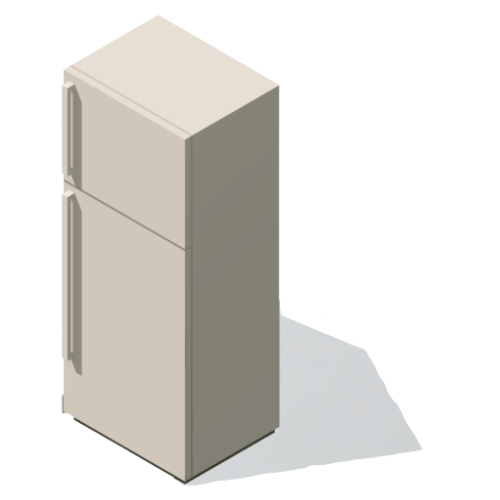
Dishwasher, disposal, range, oven, microwave, refrigerator, exhaust, bathroom heater, garage door, doorbell, and dryer vent
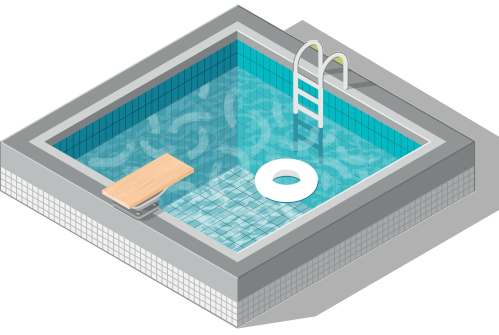
Circulation, heating, filtering, electrical, water chemistry, and possible safety issues.

Representative number of doors & windows, floors, walls, ceilings, stairs, railings, garage door and openers.
